
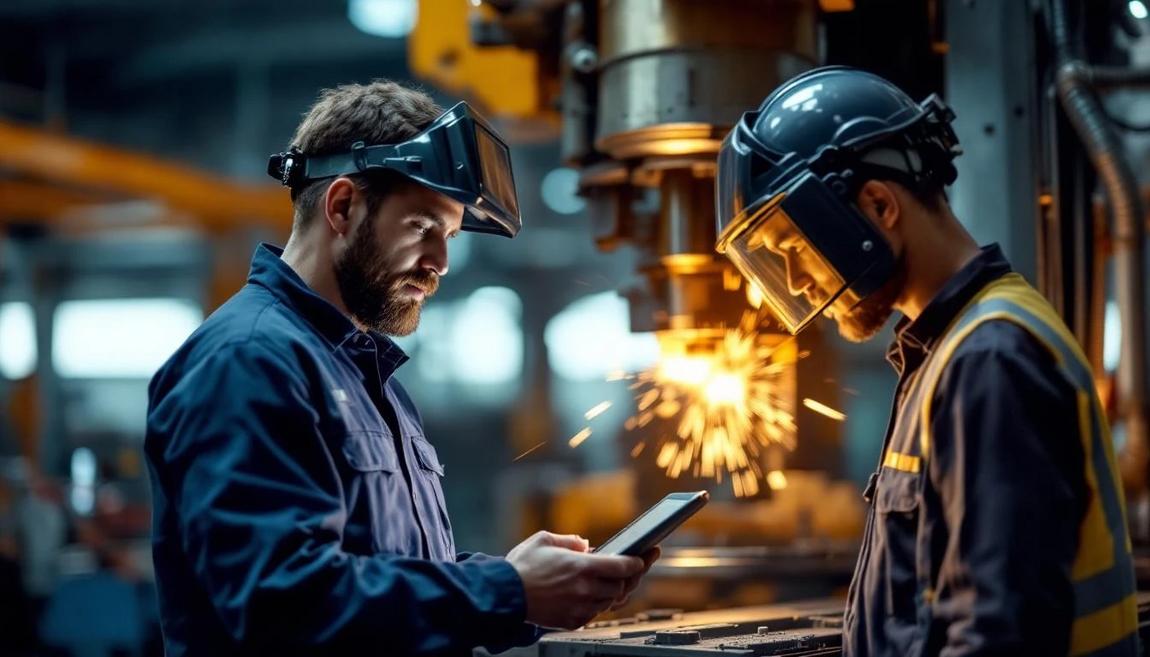
In today’s industrial context, optimizing TRS/OEE, also known as Overall Equipment Effectiveness, has become a strategic priority for plant and production managers. The need to continuously monitor and improve the performance of production equipment is critical, especially as markets become increasingly competitive. Companies are looking to maximize resource utilization, reduce downtime and improve product quality, all with the ultimate aim of lowering operating costs and increasing overall productivity.
Several factors can explain sub-optimal overall equipment efficiency. Among the main ones are unexpected downtime, often due to inadequate preventive maintenance, and quality defects leading to costly rework and scrap. These problems lead to reduced utilization of material capital and significant financial losses. When OEE is insufficiently measured or misinterpreted, companies can miss crucial opportunities for continuous improvement and waste reduction, directly impacting profitability.
To overcome these challenges, companies can rely on the digitization of the shop floor and the use of tools such as those provided by TEEPTRAK. Real-time monitoring of equipment performance enables bottlenecks and productivity losses to be quickly identified. Methods such as Total Productive Maintenance, combined with in-depth analysis of the data collected, enable specific improvements to be targeted at each production line. By using solutions such as the OEE Solution and real-time performance monitoring, managers can better structure and steer their performance initiatives.
A concrete example of the application of these principles can be seen in an automotive parts manufacturing plant. Following the implementation of a TEEPTRAK tracking system, the plant was able to reduce its downtime by 25% and improve its OEE by 15% in just six months. By focusing on real-time data analysis and implementing a predictive maintenance program, the plant not only improved its efficiency, but also strengthened its competitive position in the market.
In conclusion, OEE issues require a methodical and continuous approach. For industrial managers, setting up a comprehensive OEE measurement and improvement project is essential. This requires not only a willingness to adopt advanced tracking technologies such as TEEPTRAK, but also to train teams to use them to achieve measurable results. By acting proactively, plants can achieve sustainable cost savings and foster a culture of continuous improvement.
FAQ
Question 1: How can I improve my plant’s TRS/OEE?
To improve your OEE, start with a detailed analysis of production losses. Adopt real-time monitoring tools like those from TEEPTRAK to identify bottlenecks, and implement corrective actions based on this data.
Question 2: What are the main levers for optimizing OEE?
Key levers include reducing downtime through predictive maintenance, improving product quality, and maximizing productivity through real-time performance analysis.
Question 3: Why is OEE critical to industrial performance?
OEE is a key indicator of industrial performance, as it measures the efficiency of your production. An optimized OEE reduces costs, improves quality and boosts productivity.

0 Comments