
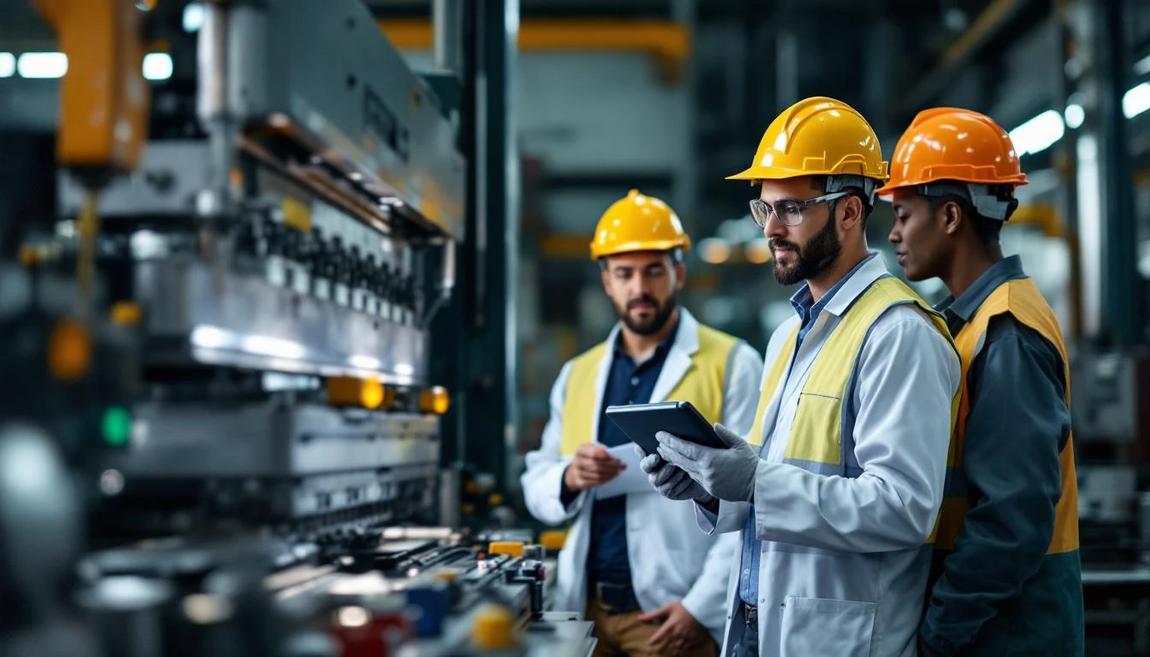
In the industrial sector, improving overall equipment effectiveness, known as OEE, is crucial to factory performance. The concept of cross training, which involves operators being versatile across multiple machines or lines, is emerging as a promising solution to address challenges related to inefficiency and bottlenecks on the production floor. By adopting this approach, factories can reduce downtime and improve operational flexibility, enabling continuous optimization of throughput and quality.
The underlying causes of performance issues in factories often include a lack of adequate training and excessive specialization of operators, which can lead to dependence on key personnel. This lack of versatility results in increased vulnerability to disruptions when these resources are unavailable, directly affecting OEE and increasing costs. In addition, the goods produced may suffer from quality defects if an unqualified operator suddenly has to step in. These inefficiencies result in significant revenue losses and increased pressure on maintenance and production teams.
To address these challenges, cross-training is proving to be an effective lever for improving industrial performance. By integrating Lean and continuous improvement practices, factories can increase the versatility of their teams, reduce unplanned downtime, and limit the impact of absences. The integration of digital solutions such as those provided by TeepTrak enables real-time monitoring of OEE, facilitating the analysis of downtime and providing increased visibility into line performance. This continuous improvement management, coupled with better operator training, paves the way for significant efficiency gains.
A concrete example of cross-training in action can be seen in an electronic component manufacturing plant. Faced with productivity challenges due to frequent absences and limited specialized skills, the plant implemented a systematic cross-training program for its operators. In less than a year, the factory saw a 30% reduction in downtime and a 15% improvement in its OEE. This was made possible by accurately identifying skill needs, followed by careful performance measurement and rigorous implementation of corrective actions. Thanks to the TeepTrak solution, managers were able to track and measure progress in real time, optimizing results at every stage.
To begin integrating cross-training into your factory, it is essential to identify critical skills and vulnerabilities, then structure a project related to OEE data by involving your teams in the continuous training process. Prioritize quick wins and small victories that will quickly illustrate concrete benefits. By finalizing this process with structured governance and monitoring using viable solutions such as those from TeepTrak, you can expect substantial gains in efficiency and profitability. Adopting these practices will allow you to transform your current constraints into real drivers of competitiveness.
FAQ
Question 1: How does cross-training improve industrial performance?
Cross training increases operator versatility, reducing dependence on key individuals and minimizing downtime. This method promotes greater operational flexibility, improving OEE and overall productivity.
Question 2: How does cross training impact OEE?
By enabling operators to manage multiple machines, cross training minimizes interruptions due to absences or breakdowns. This reduces yield losses and improves equipment availability, which directly benefits OEE.
Question 3: Where to start with cross training in the factory?
Start by identifying the essential skills for each position. Analyze areas of vulnerability, then develop a training plan to address these gaps, incorporating digital tools to track and measure ongoing progress.
0 Comments