
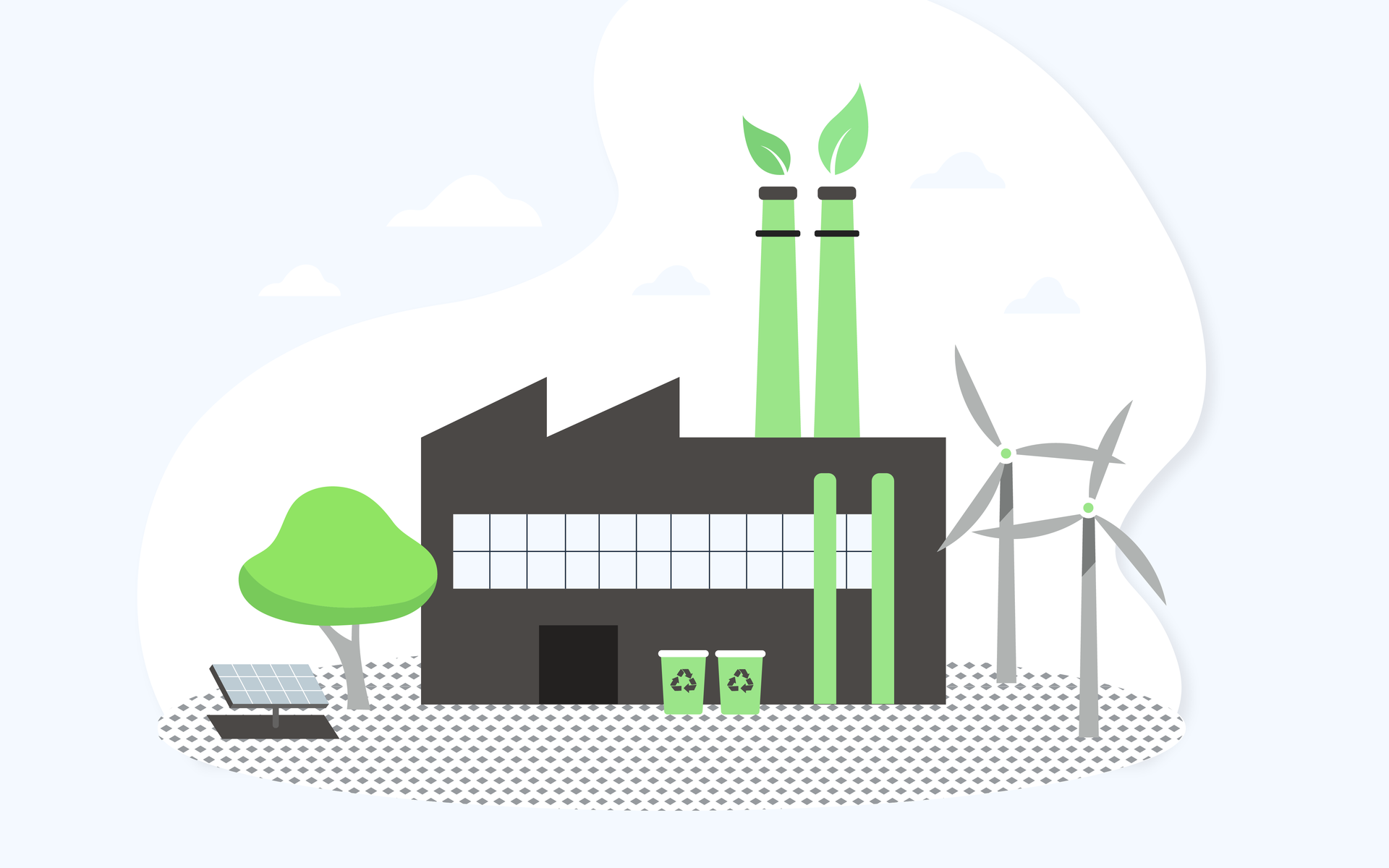
Towards more responsible production
New technologies enable us to improve energy efficiency, reduce waste and optimize the use of raw materials. The adoption of digital solutions, such as real-time monitoring systems, makes it possible to accurately track production line performance and identify potential savings.
The role of industrial optimization in the ecological transition
Optimizing industrial performance is a powerful lever for reducing the environmental impact of plants, and this is precisely the mission of TeepTrak. Using real-time monitoring and analysis systems, manufacturers can accurately identify wasted resources, energy losses and operational inefficiencies.
By drastically reducing scrap and rework, our solutions enable companies to consume fewer raw materials and less energy, while also decreasing their volume of industrial waste. Eliminating unplanned downtime and inefficiencies in processes not only lowers costs but also reduces the carbon footprint associated with unnecessary production cycles.
This approach aligns with the principles of sustainable industry, where performance goes hand in hand with environmental responsibility. Rather than pitting productivity against ecology, we demonstrate that smart production management can combine competitiveness with environmental commitment.
Recycling and rethinking raw materials
The circular economy is a major avenue for making industry more respectful of the environment. Many companies are now reclaiming their waste or integrating recycled materials into their production processes. This approach not only reduces dependence on natural resources, but also reduces industrial waste.
Ecological issues: a collective responsibility
Environmental regulations are becoming increasingly stringent, and industry must continue to adapt its practices to preserve the planet. Reducing emissions, optimizing resource use and minimizing waste are now priorities, not only to comply with legal requirements, but also to actively contribute to a sustainable future. Every company has a role to play in this transition, where performance and respect for the environment can evolve in harmony. Protecting natural resources is no longer simply a question of regulations, but a challenge for future generations.
Conclusion: Industry and ecology, a winning combination
Contrary to popular belief, industry and ecology are not mutually exclusive. On the contrary, responsible production management is a real strategic asset for companies. Thanks to technological innovations, more sustainable business models and optimized resource management, industry is in a position to play a leadership role in the ecological transition. Together, we can build an industry that respects the environment while ensuring its economic success.


0 Comments