
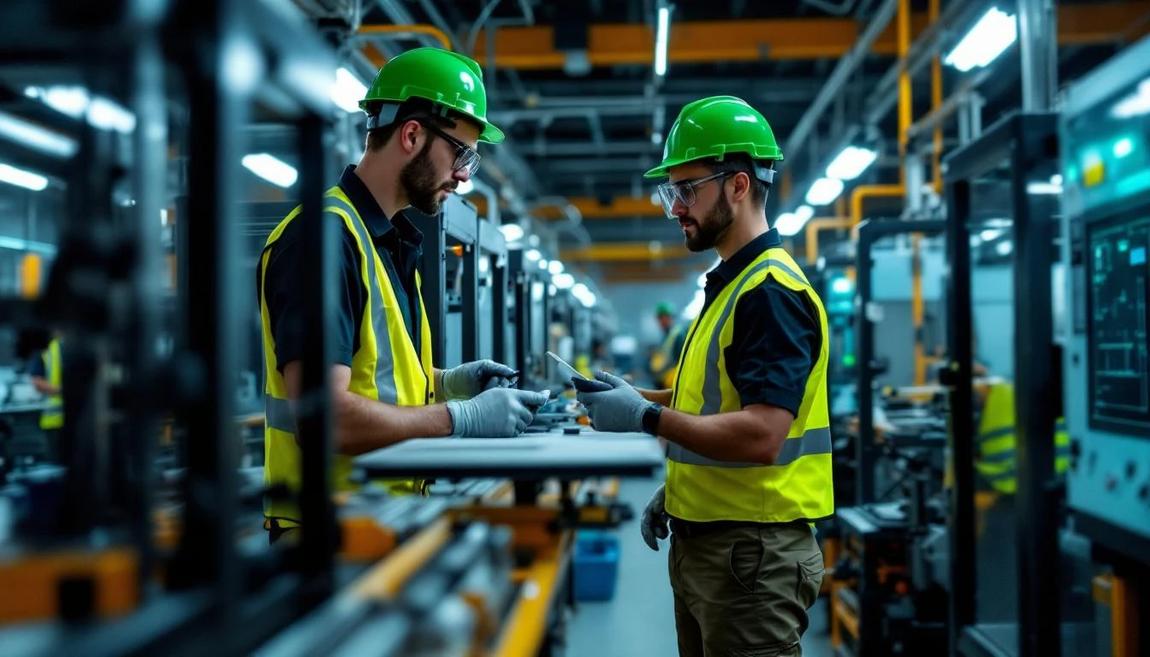
In the industrial sector, monitoring machine performance is crucial to ensuring optimal efficiency. When a machine breaks down, it does not produce, which reduces the Overall Equipment Effectiveness (OEE). Monitoring machine condition therefore becomes critical to anticipate and reduce unplanned downtime, optimize processes, and ensure high service levels. For a factory, not tracking these key indicators means not only a potential drop in productivity, but also additional costs that increase operating expenses.
The main causes of efficiency declines include equipment wear and tear, lack of preventive maintenance, and human error. These factors lead to production interruptions that affect not only productivity but also costs and product quality. Low OEE often indicates bottlenecks and process inefficiencies, which translate into increased downtime and quality defects. As a result, companies suffer financial losses as well as a decline in customer satisfaction due to extended delivery times.
To overcome these challenges, it is essential to initiate a systematic equipment monitoring process. Shop floor digitization tools, such as TeepTrak, enable real-time performance tracking and facilitate downtime analysis. By adopting preventive maintenance practices and using performance indicators such as OEE, companies can anticipate breakdowns and significantly reduce downtime. It is also important to implement continuous improvement methods such as Lean Management to encourage a culture where every downtime is a learning opportunity.
Consider a factory that manufactures automotive parts: the company identifies a drop in its OEE due to frequent micro-stops on a critical line. By adopting a condition monitoring solution, it notices that these interruptions are due to abnormal vibrations on its machines. By adjusting control parameters and planning targeted maintenance before failure occurs, the line quickly returns to optimal OEE, improving production speed and quality.
For industrial managers looking to boost the performance of their lines, it is crucial to prioritize equipment condition monitoring. This can be done by starting with quick wins such as improving data collection and analyzing the causes of downtime via a platform such as TeepTrak. Structuring a project around OEE then allows the collected data to be transformed into concrete actions for optimal efficiency management.
FAQ
Question 1: How does condition monitoring influence OEE?
Monitoring equipment condition allows you to detect early signs of failure, reducing downtime and improving overall equipment efficiency.
Question 2: What impact does low OEE have on a production line?
Low OEE leads to decreased productivity, increased costs, and increased risk of quality defects, which can affect customer satisfaction and the competitiveness of the business.
Question 3: Where do you start to improve OEE with TeepTrak?
Start by collecting and analyzing real-time performance data with TeepTrak to identify the causes of downtime and develop preventive and corrective action plans.

0 Comments