
In today’s industrial environment, where competition is fierce and profit margins are constantly under pressure, maximizing Overall Equipment Effectiveness (OEE) is crucial for remaining competitive. Implementing artificial intelligence (AI) applications to optimize TRS (Synthetic Performance Rate) monitoring is a promising method for identifying and eliminating inefficiencies on production lines. These technologies not only enable real-time management of equipment performance but also anticipate potential failures, thereby reducing costs and increasing productivity.
The underlying causes of inefficiencies in a factory include unplanned downtime, frequent micro-stoppages, and variable production quality. These factors directly harm TRS/OEE, leading to significant losses in output and responsiveness. Unforeseen interruptions and quality defects increase operating costs and reduce customer satisfaction. A thorough understanding of the origins of these problems through sophisticated analysis tools, supported by AI, is essential for plant managers and production supervisors to target areas for improvement.
To address these challenges, integrating AI solutions into the production chain proves to be a relevant strategy. First, AI-based optimization tools can provide predictive analysis of equipment performance. This enables managers to respond proactively and optimize TRS. Moreover, solutions like those offered by TeepTrak, which provide real-time monitoring and multi-line visibility, can help effectively drive a continuous improvement program. Implementation of key performance indicators, such as OEE, and adoption of Lean practices are also important steps toward improving productivity.
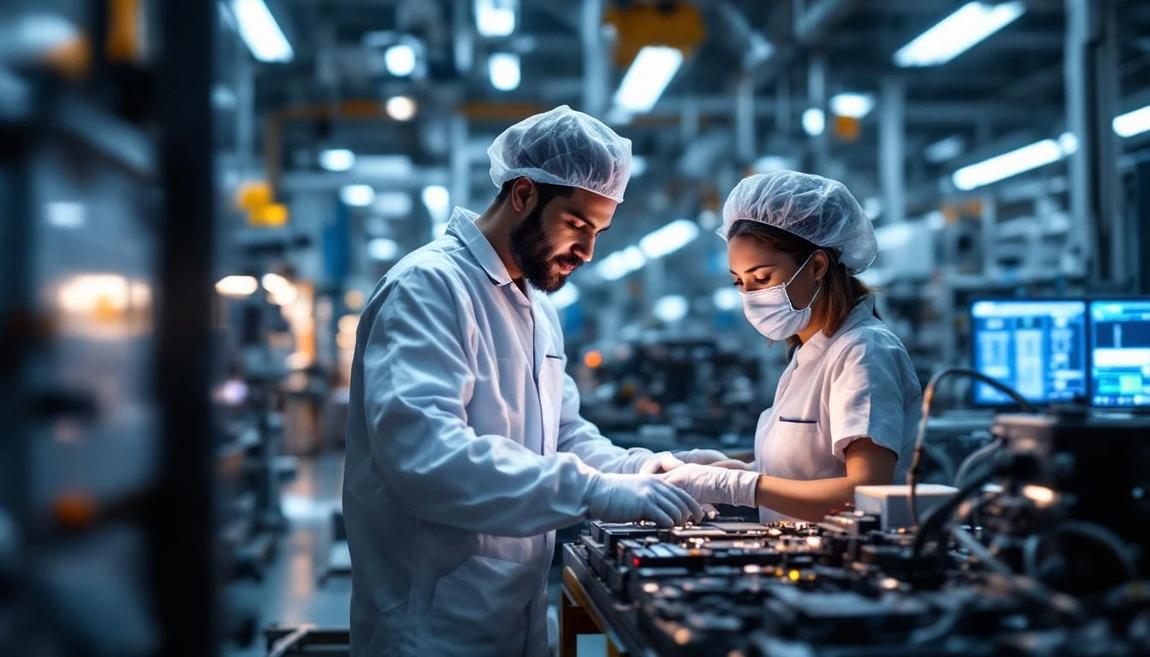
Let’s examine the case of a factory specializing in electronics assembly. Initially facing frequent machine failures and high production rejection rates, it implemented an AI solution integrated with its performance monitoring system. After identifying bottlenecks and measuring losses, it was able to schedule predictive maintenance interventions and adjust manufacturing processes. The results were significant: a 30% reduction in downtime and a 25% improvement in product quality. TeepTrak played a key role in providing extended visibility and facilitating the necessary data analyses.
In conclusion, to start effectively, it is crucial to map your current production lines and identify vulnerable areas. By implementing advanced technological solutions such as AI applications for TRS/OEE, companies can quickly achieve notable gains. It is recommended to prioritize initiatives based on their potential impact and establish clear governance to support this project. With solutions such as those available here, a well-structured OEE project can lead to a significant and tangible transformation of industrial performance.
FAQ
Question 1: How can AI improve OEE in a factory?
AI improves OEE by providing predictive analytics and facilitating preventive maintenance, thereby reducing downtime and optimizing performance.
Question 2: What impact do AI applications have on production quality?
AI applications enable real-time monitoring and analysis of production data, which improves quality control and reduces defects.
Question 3: Where to start for integrating AI in OEE monitoring?
Start by assessing your specific needs, identify key processes to improve, and choose appropriate solutions, such as those from TeepTrak, for real-time monitoring.
0 Comments