
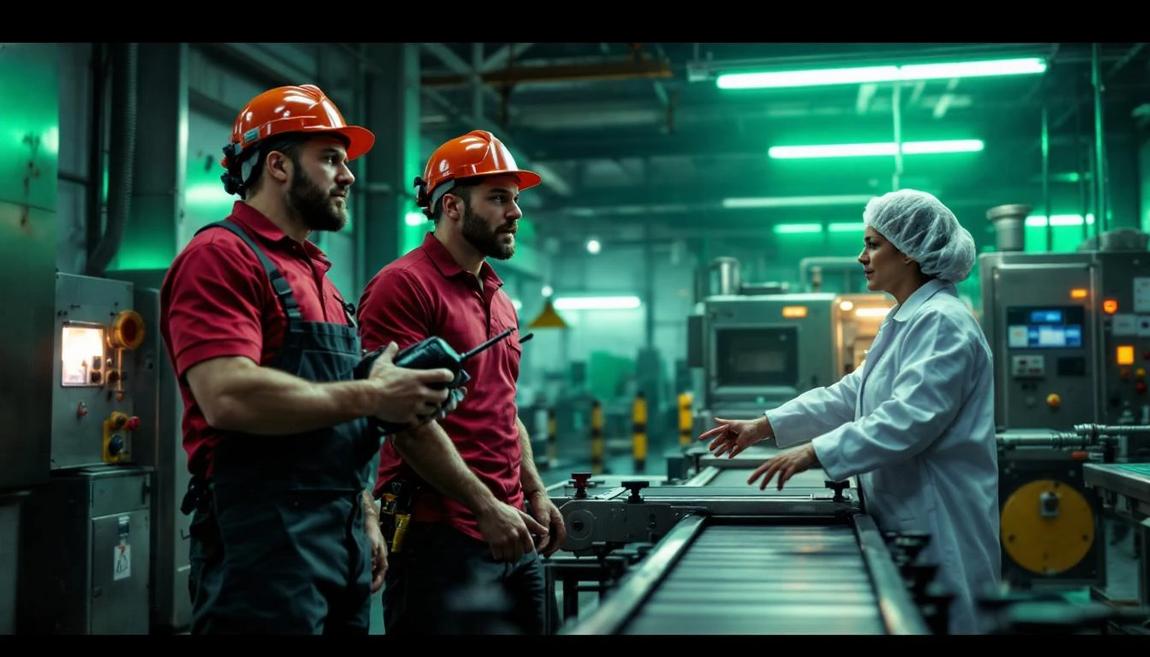
Carpet cleaning can often leave behind lingering odors, a real nightmare for plants specializing in industrial cleaning. This seemingly benign problem can have serious repercussions on overall equipment efficiency (OEE), as a poorly cleaned and still smelly carpet is synonymous with costly rework and customer dissatisfaction. Moreover, the ability to guarantee consistent quality is crucial to maintaining high productivity levels and customer satisfaction.
There are many causes of persistent odors after cleaning. It may be due to poorly calibrated equipment parameters, or to an inefficient cleaning process. These inefficiencies translate directly into lower RER/OEE. Not only do downtimes for adjustment increase, but final quality can also be compromised, increasing costs associated with rework and wasted resources. The lack of real-time monitoring makes the situation even worse, preventing rapid identification of the causes of a fault.
To overcome these difficulties, it is crucial to adopt continuous improvement practices and digitalize performance monitoring. By integrating tools like those from TeepTrak, plants can benefit from real-time monitoring that offers multi-line visibility. This will enable precise analysis of TRS/OEE metrics and rapid identification of bottlenecks. Adopting standard processes and shared KPIs, as shown on Wikipedia – Overall Equipment Effectiveness (OEE), makes it easier to implement the necessary improvements.
A case in point is a textile factory that introduced TeepTrak’s real-time tracking system. By analyzing the data, they identified that some cleaning machines were poorly calibrated, leading to an increase in undetected odor emissions. Thanks to precise adjustments and continuous monitoring, the plant not only eliminated the odor problem, but also improved its OEE by 15% in six months. Understanding TRS / OEE also enabled managers to better structure task organization and increase productivity.
In order to embark on a process of improvement, it is essential to establish clear priorities, such as a complete mapping of your production process and the implementation of relevant performance indicators. A real-time monitoring solution like TeepTrak can considerably speed up this transition to more efficient, more agile production. Ultimately, increasing OEE isn’t just about numbers – it’s about transforming the data collected into concrete, sustainable operational benefits.
FAQ
Question 1: How can OEE optimization improve the carpet cleaning process?
OEE optimization helps to better identify and correct inefficiencies in the cleaning process, such as poor machine calibration, thus reducing rework and improving overall quality.
Question 2: What concrete impact does poor machine calibration have on OEE?
Incorrect calibration leads to production faults, increasing downtime and rejects. This directly affects efficiency, lowering availability and quality rates.
0 Comments