
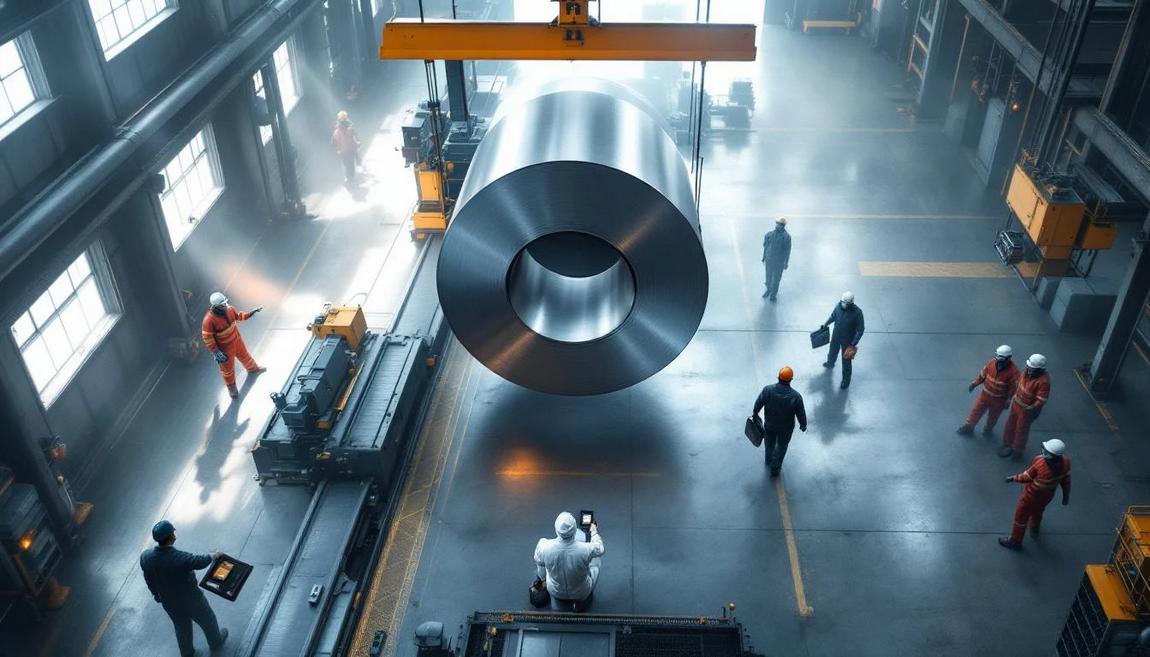
In a constantly changing industrial world, Overall Equipment Effectiveness (OEE) has become an essential term for measuring production line performance. However, when faced with OEE emergencies, plants often find themselves unable to meet their productivity targets. This is mainly due to recurring problems such as downtime, bottlenecks and product quality. Ignoring these problems can not only affect production, but also have a negative impact on overall company profitability.
The causes of OEE emergencies are multiple and often interrelated. Among the main factors are obsolete equipment, a lack of preventive maintenance, and ineffective real-time performance monitoring. These issues lead to higher production costs, wasted valuable time and lower OEE. Product quality can also suffer, as poorly maintained equipment can lead to manufacturing defects.
There are a number of strategic solutions that manufacturers can implement to counter these emergencies. Digitizing the shop floor, for example, enables real-time monitoring of the efficiency of each machine. Tools such as those offered by
A case in point is a textile factory facing frequent stoppages on its weaving line. After adopting
In conclusion, to overcome an OEE emergency, it is crucial for industrial decision-makers to structure a project focused on continuous improvement and TRS/OEE. Start by accurately measuring your current performance, identify areas for improvement, and implement the right tools for real-time monitoring, such as those from TeepTrak. The results will be lower costs, optimized cycle times and increased competitiveness in the marketplace. This proactive approach will not only ensure better productivity, but also greater longevity for the company.
FAQ
Question 1: How do I identify an OEE emergency in my plant?
Start by analyzing key performance indicators, including availability, performance and quality rates. This data is essential for detecting anomalies and bottlenecks.
Question 2: What is the impact of poor OEE management on production costs?
Poor management can lead to higher costs due to prolonged downtime, excessive resource consumption and quality problems, reducing plant profitability.
Question 3: Where do I start to improve my OEE?
Implement real-time monitoring tools like TeepTrak to collect and analyze performance data. Prioritize improvements based on results, and track progress regularly.
0 Comments