
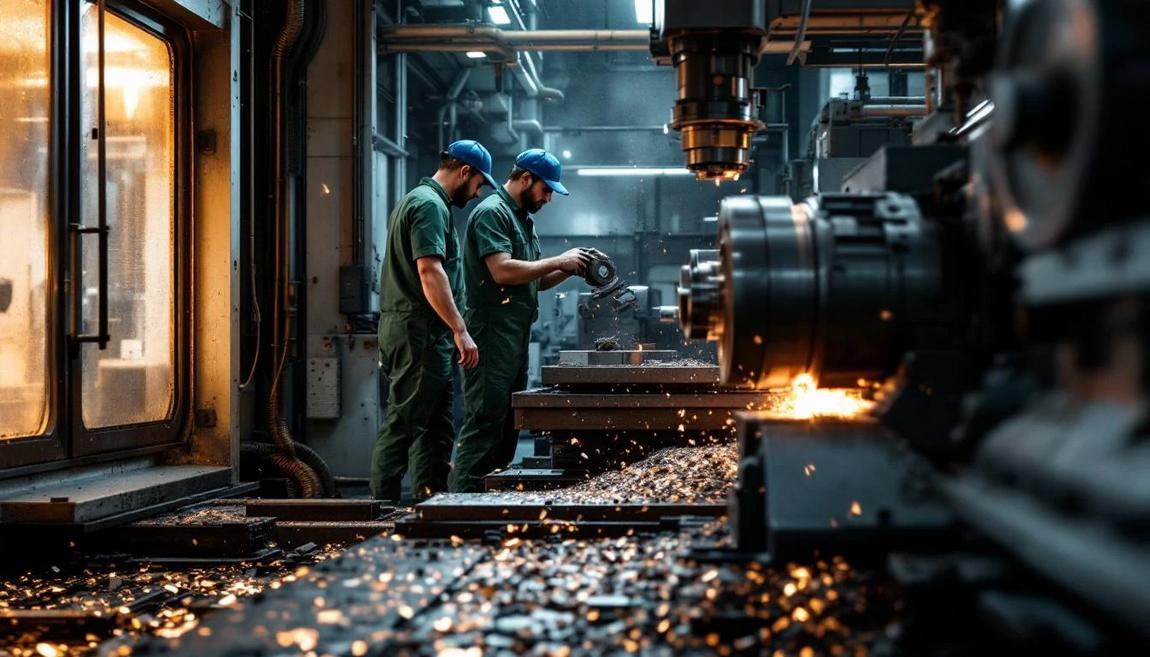
In today’s industrial context, maximizing equipment efficiency is a strategic priority. Yet many managers still struggle with the complexity of OEE, or overall equipment efficiency, which is often overlooked in favor of other indicators. The challenge is daunting: how can we demystify this concept to improve productivity and reduce operating costs on production lines? Faced with these challenges, understanding and optimizing OEE is essential for any manufacturing company wishing to remain competitive.
The main causes of low OEE are often linked to unplanned stoppages, sub-optimal production speeds or quality defects. These problems not only hamper productivity, but also increase operating costs. For example, a poorly identified bottleneck can lengthen downtime and considerably reduce OEE, directly impacting the company’s margins. Analyzing the root causes of these inefficiencies is therefore crucial to any continuous improvement initiative.
To tackle these issues, several solutions can be envisaged. The implementation of continuous improvement methods, such as Lean manufacturing, combined with the digitization of production lines, offers a powerful lever for monitoring and improving OEE. Using a tool like TeepTrak, you can monitor equipment performance in real time, analyze stoppages, and ensure complete visibility for optimal management of continuous improvement.
A typical case is illustrated by a plant producing electronic components. Following the implementation of digital performance monitoring solutions, the plant succeeded in reducing its unplanned downtime by 15% within six months. By adopting a data-driven approach, with the help of TeepTrak, the plant was able to diagnose the causes of inefficiencies more quickly, significantly optimizing its synthetic yield rate.
To realize the benefits of an OEE-centric strategy, it’s essential to follow a structured plan. Decision-makers must first focus on measuring and tracking key data, gradually introduce digitization tools, and prioritize improvement projects according to identified performance levers. These approaches not only increase productivity and reduce costs, but also boost long-term competitiveness.
FAQ
Question 1: How do you calculate OEE?
To calculate the OEE, three factors need to be multiplied: availability, performance and quality. A tool like TeepTrak can automate this calculation in real time.
Question 2: What impact does a low OEE have on production?
Low OEE often leads to inefficiencies such as higher production costs, longer lead times and compromised product quality. These factors limit the company’s competitiveness.
Question 3: Where to start improving OEE?
Start by analyzing current performance data to identify bottlenecks. Then prioritize interventions using real-time tracking software, such as TeepTrak, to boost equipment efficiency.
0 Comments