
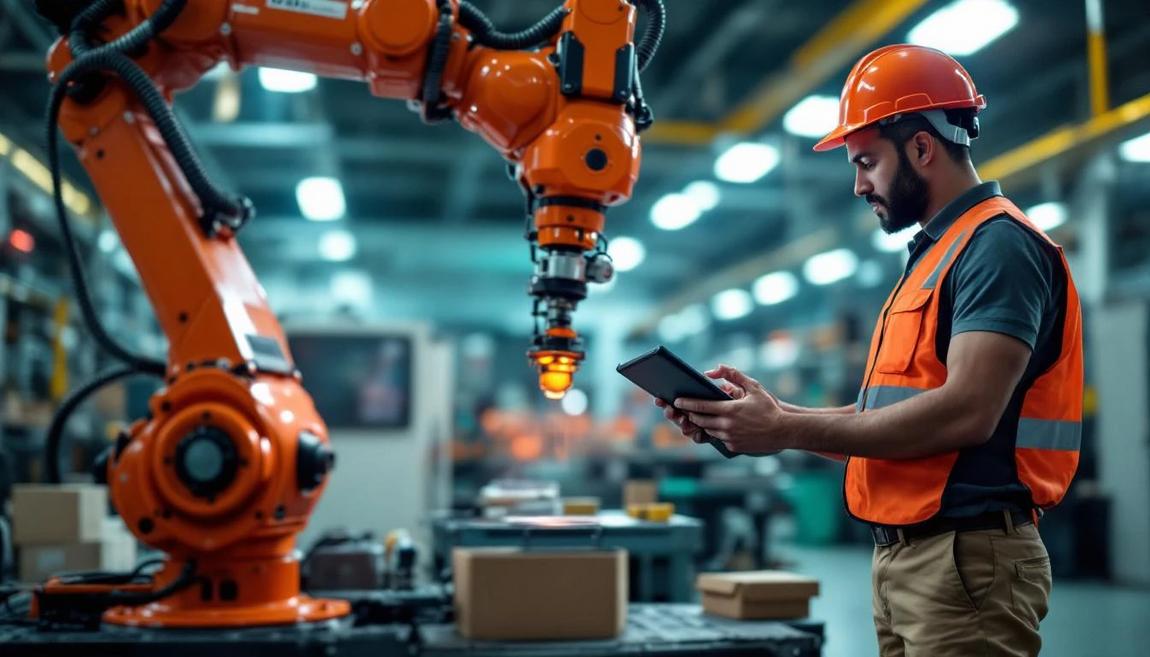
In the industrial sector, the distinction between OEE (Overall Equipment Effectiveness) and OEM (Original Equipment Manufacturer) is crucial to optimizing performance. OEE, or Overall Equipment Effectiveness, is a key indicator for measuring the efficiency of production equipment. Unlike OEM, which refers to a product’s original manufacturer, OEE enables plants to quantify losses linked to availability, performance and quality, and to identify levers for improvement to maximize productivity.
Frequent confusion between OEE and OEM can lead to misunderstandings within the organization. Ignoring the importance of OEE can prolong unplanned downtime, reduce product quality and increase production costs. By neglecting this indicator, plants lose valuable opportunities for continuous improvement, which directly impacts OEE and market competitiveness.
To remedy this, the integration of a real-time tracking system, such as TEEPTRAK, is an effective solution. It enables
A concrete example of application can be found at an automotive parts manufacturer, where the adoption of TEEPTRAK reduced downtime by 15%, thus optimizing OEE/ROS. Using performance indicators, the plant was able to identify the main causes of losses and prioritize improvement actions. Staff involvement in data analysis also facilitated the transition to a culture of continuous improvement.
In conclusion, understanding the difference between OEE and OEM is essential to defining an effective industrial performance strategy. For plant and production managers, monitoring OEE with tools like TEEPTRAK is a crucial step. Adopting a proactive approach not only improves productivity, but also guarantees quality while reducing production costs. Start today by measuring your performance and integrating technological solutions tailored to your needs.
FAQ
Question 1: How does OEE impact industrial performance?
OEE measures the efficiency of a piece of equipment and enables losses to be targeted in terms of availability, performance and quality, helping to optimize overall productivity.
Question 2: What role does TEEPTRAK play in improving OEE?
TEEPTRAK provides real-time monitoring of equipment performance, enabling precise data analysis for continuous improvement of OEE/ROI.
Question 3: Where do we start to improve our OEE?
Start by assessing your current performance using a reliable measurement system like TEEPTRAK, then identify the main bottlenecks to target your improvement efforts.


0 Comments