
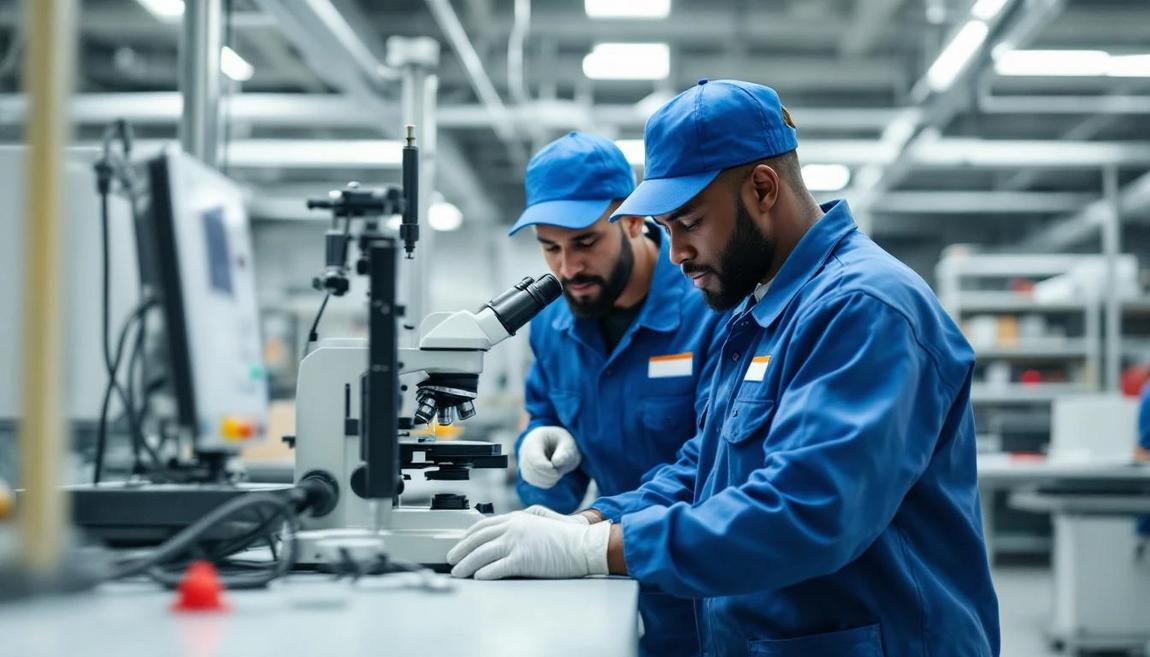
Plant equipment performance is a major challenge for production managers, plant directors and industrial performance teams. Overall Equipment Effectiveness (OEE) is a key indicator for quantifying operational efficiency, taking into account availability, performance and quality. However, many plants struggle to optimize it, which has a negative impact on productivity and costs. The need for a clear understanding and practical solutions to improve OEE on the factory floor is therefore becoming critical.
Several factors can prevent optimal OEE improvement. Unplanned downtime, poor performance and non-compliant products are often the cause of disruptions. Without complete visibility of production operations, these inefficiencies lead to increased downtime and operational costs. The quality of the data collected also plays a vital role in the accuracy of OEE calculations, directly influencing strategic decision-making.
To overcome these obstacles, continuous improvement methods such as Lean Manufacturing and shop-floor digitalization are powerful levers. By integrating solutions like TeepTrak‘s, factories can benefit from real-time monitoring of their operations and better analysis of the causes of downtime. This process identifies bottlenecks and boosts continuous improvement, significantly optimizing OEE.
Imagine a production line in a metal components factory that uses TeepTrak solutions to improve its OEE. By implementing real-time monitoring using PerfTrak, the plant was able to reduce unscheduled downtime by 20% and increase productivity by 15% in six months. The identification of the main causes of downtime enabled progressive optimization, demonstrating the tangible impact of digitalization on industrial performance.
In conclusion, improving plant OEE requires a structured approach and the adoption of the right technologies. By starting with an accurate assessment of current OEE, using tools such as those offered by TeepTrak, managers can quickly identify opportunities for improvement. This will have a positive impact not only on OEE/ROS, but also on the plant’s overall competitiveness. By launching a continuous improvement project focused on OEE, companies can turn problems into substantial growth levers.
FAQ
Question 1: How can I effectively measure OEE on the factory floor?
To effectively measure OEE, it is essential to collect reliable data on equipment availability, performance and quality. The use of real-time monitoring solutions, such as those from TeepTrak, can provide accurate data and facilitate ongoing analysis.
Question 2: What impact does improving OEE have on productivity?
Improving OEE means less downtime, higher product quality and increased production line productivity. This translates into lower costs and greater competitiveness in the marketplace.
Question 3: Where do I start to improve my plant’s OEE?
Start with an assessment of your current OEE and identify critical points with tools like TeepTrak. Implement Lean Manufacturing initiatives and digitalization solutions to optimize every OEE parameter.

0 Comments