
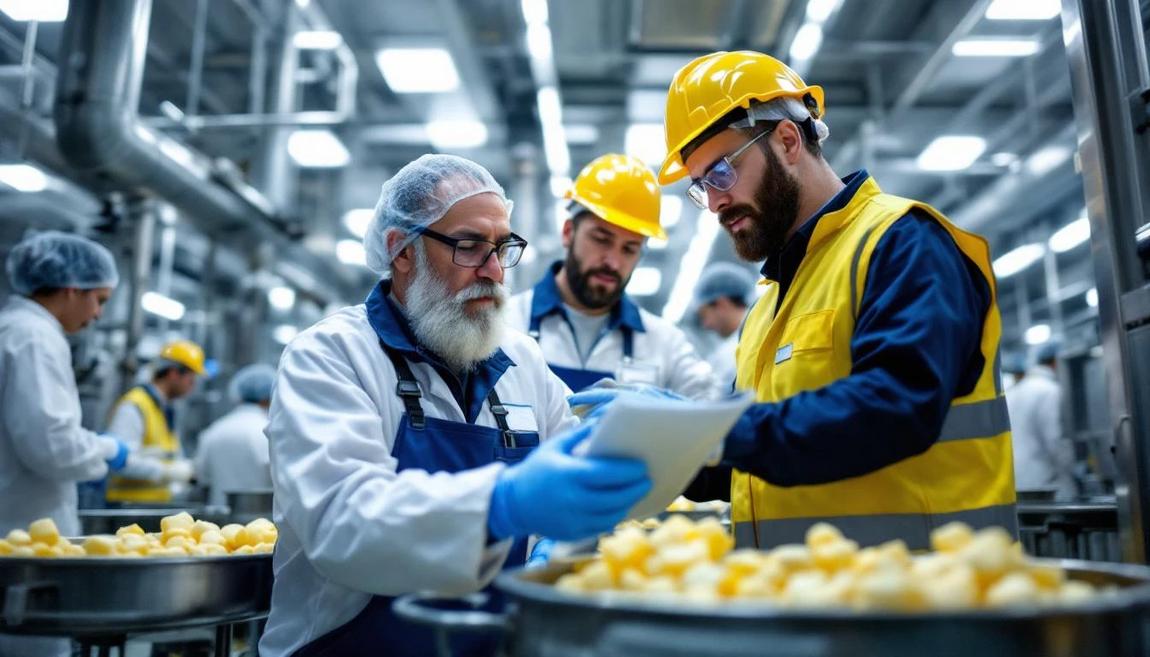
In the world of manufacturing, operational efficiency is crucial to staying competitive. The concept of Overall Equipment Effectiveness (OEE) is at the heart of this approach. At Janow Lubelski, many plants strive to maximize their OEE in order to reduce production costs and improve quality. Understanding and improving OEE is a challenge that plant and production managers need to address strategically to ensure the sustainability of their operations.
The causes of OEE inefficiencies at Janow Lubelski are often manifold. They range from material malfunctions to non-optimized processes and poor operating practices. These problems lead to frequent downtime, reduced product quality and, of course, lower overall productivity. The impact is direct: lower synthetic yields, higher costs and longer cycle times. To reduce these inefficiencies, it is crucial to adopt a strategy of proactive management and continuous improvement.
To overcome these challenges, several levers can be activated. The implementation of a Lean approach, combined with shop-floor digitization tools such as those offered by TeepTrak, is essential. These solutions enable real-time monitoring of OEE, triggering instant alerts and generating actionable data analysis. In addition, the use of visual dashboards and detailed reports contributes to visibility and multi-line management, optimizing operations and facilitating continuous improvement. Finally, ongoing team training and total productive maintenance, in line with TPM principles, play a key role in improving OEE.
A concrete example from a plant in Janow Lubelski illustrates the importance of these measures. Initially, this plant was experiencing frequent downtime due to aging machinery and obsolete processes. By integrating the TeepTrak solution, the plant was able to accurately identify bottlenecks and adopt effective predictive maintenance. The result: a 15% increase in OEE in just six months. This improvement not only reduced the costs associated with quality defects, but also offered greater production flexibility.
In conclusion, improving OEE at Janow Lubelski requires a structured approach and the commitment of all organizational levels. With an in-depth understanding of performance data and real-time monitoring tools like TeepTrak, plants can transform their operations into high-performance, competitive centers. It’s time for industry leaders to start a solid TRS/OEE project, prioritize high-impact actions and institute a culture of continuous improvement to ensure a productive and profitable future.
FAQ
Question 1: How can we improve OEE in a plant?
To improve OEE, start with a detailed analysis of production data and identify the main bottlenecks. Integrate real-time monitoring tools and use a Lean approach to optimize processes.
Question 2: What impact does low efficiency have on costs?
Low operational efficiency increases production costs through frequent downtime, repeated quality defects and excessive resource consumption. Increasing OEE can reverse this trend.
Question 3: Where do you start to initiate OEE improvement?
Start by assessing your current performance through accurate diagnostics. Use tools such as those offered by TeepTrak to visualize data and prioritize corrective actions.


0 Comments