
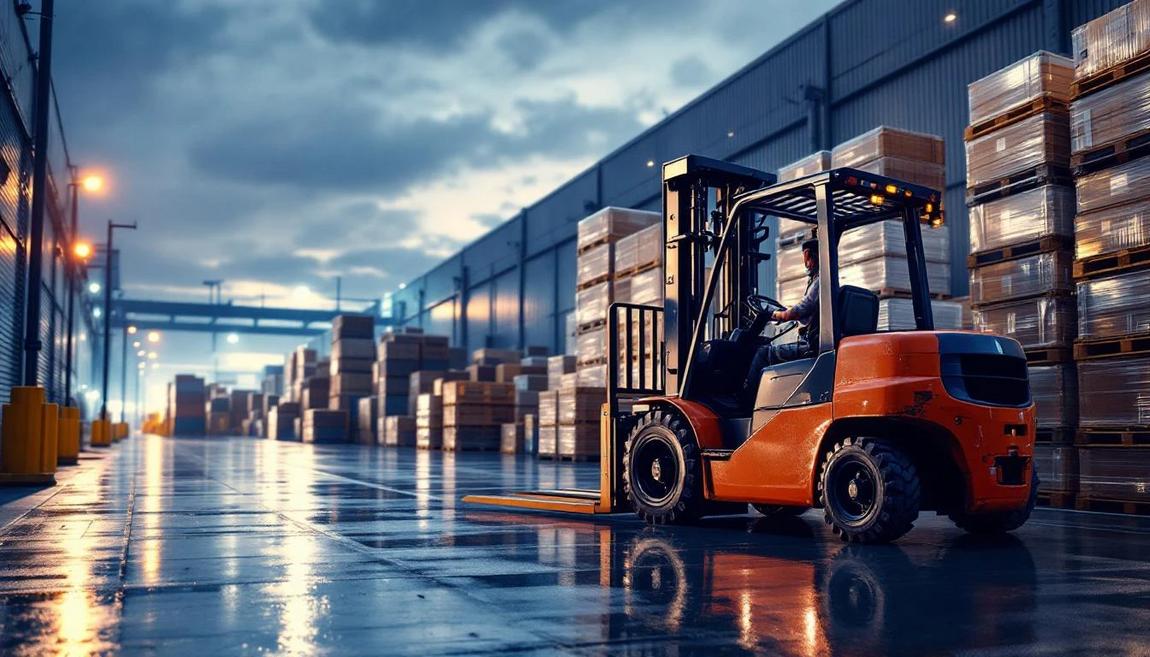
In the industrial world, Overall Equipment Effectiveness (OEE) is a key indicator for measuring the performance of production equipment. Yet companies often implement OEE measures without achieving the expected improvements in productivity or quality. This glaring problem raises questions about how OEE is implemented and used within plants. A superficial understanding or the wrong approach to this indicator can lead to unnecessary investments, unresolved interruptions and persistent bottlenecks.
A number of factors explain why OEE does not always generate the expected results. Often, the causes lie in incorrect use of the indicator, or difficulties in identifying the true causes of performance losses. Poor data collection can also lead to erroneous analyses, distorting strategic decisions. The impact can be seen in high stoppage rates, degraded production quality and unexpected cost overruns, undermining competitiveness and overall operational efficiency.
To remedy this, a structured approach is essential. Using a tool like TeepTrak can help automate data collection and analysis, providing real-time visibility of equipment performance. In addition, the application of continuous improvement methods, such as preventive maintenance and Lean Manufacturing, facilitates the implementation of sustainable solutions. Rigorous monitoring of performance indicators at different levels also enables more precise targeting of areas requiring improvement.
A concrete example of a plant successfully overcoming this challenge is a mechanical components manufacturing company. Using
In conclusion, for OEE to become a genuine performance driver, it must be understood in depth, managed with reliable data, and integrated into an overall continuous improvement process. Tools such as TeepTrak help to simplify this digital transformation by producing accurate, real-time data. As an essential first step, CI managers and teams are advised to structure a TRS/OEE project to maximize potential benefits and achieve new levels of operational excellence.
FAQ
Question 1: How can we identify the real causes of OEE losses?
To identify the real causes of OEE losses, it’s crucial to collect accurate, reliable data. Real-time tracking tools like TeepTrak enable you to analyze downtime and identify bottlenecks with precision.
Question 2: What is the impact of poor data collection on the OEE?
Poor data collection can distort OEE analysis, leading to inefficient decisions and poorly targeted investments. Tools like TeepTrak ensure accuracy and facilitate decision-making.
Question 3: Where to start improving OEE?
To improve OEE, start by carrying out an audit of your processes, use a real-time tracking system for your equipment, and implement preventive maintenance and Lean Manufacturing strategies.

0 Comments