
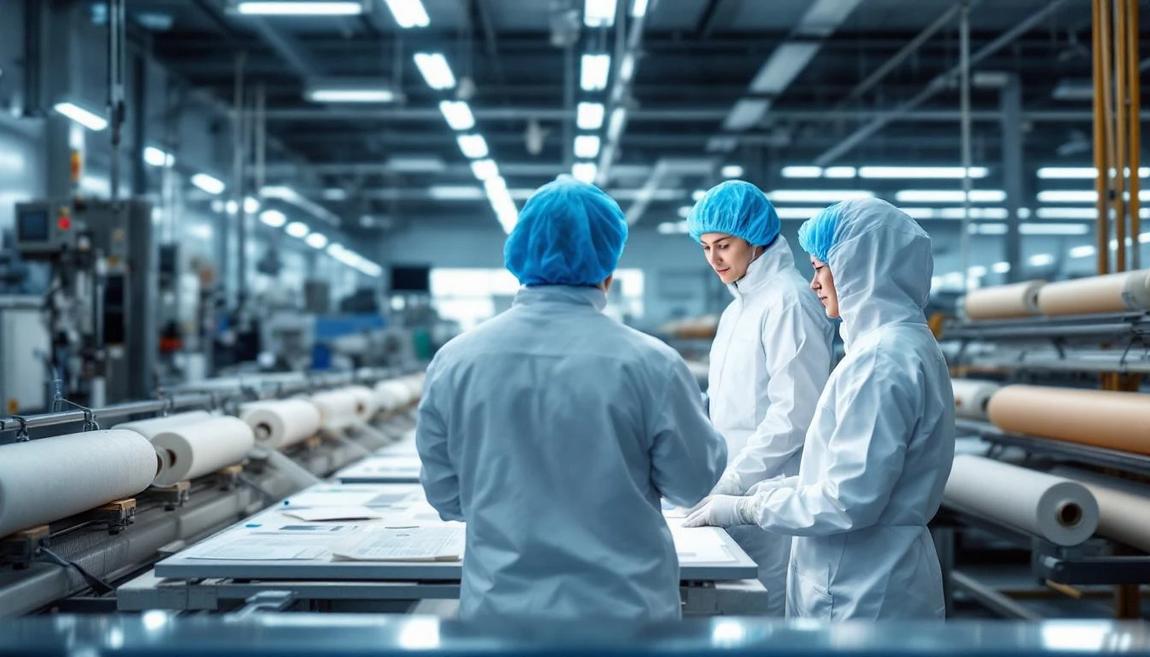
In the industrial sector, and particularly in healthcare, optimizing equipment efficiency and performance is a crucial issue. Healthcare establishments are constantly seeking to improve their processes to ensure quality of care and patient safety. The Overall Equipment Effectiveness indicator, known as OEE, is proving to be a valuable tool in meeting these challenges. By improving OEE, hospitals and clinics can reduce downtime, improve quality and increase overall efficiency.
The causes of poor OEE performance in the healthcare sector are often manifold: outdated equipment, lack of preventive maintenance, or failure to monitor key performance indicators. These shortcomings not only lead to excessive maintenance costs, but also affect equipment availability, compromising both quality of care and operational efficiency. The impact of OEE on productivity translates into better resource management and reduced costs.
To boost the performance of hospital production lines, it is crucial to adopt continuous improvement methods such as Lean Manufacturing and Total Productive Maintenance (TPM). By integrating shop-floor digitization solutions such as those offered by
Consider the example of a clinic that has integrated a tracking solution like TeepTrak for its medical imaging equipment. By analyzing the data collected, the clinic was able to identify unplanned downtime due to non-optimized maintenance and inadequate calibration. After implementing a continuous improvement plan and optimizing their maintenance strategy, the equipment’s OEE increased significantly, boosting equipment availability and patient satisfaction.
Implementing an OEE-focused project may seem complicated, but it’s essential to improving hospital performance. Starting with a thorough analysis of existing processes and integrating
FAQ
Question 1: How can the OEE improve performance in the healthcare sector?
OEE reduces downtime and optimizes equipment utilization, ensuring better service for patients.
Question 2: What tools are available to monitor OEE in real time in the healthcare sector?
Solutions such as TeepTrak offer real-time monitoring of equipment performance, enabling proactive management and detailed data analysis.
Question 3: What are the main benefits of a TRS/OEE project for a hospital?
Key benefits include better use of resources, reduced maintenance costs, and improved quality of care.


0 Comments