
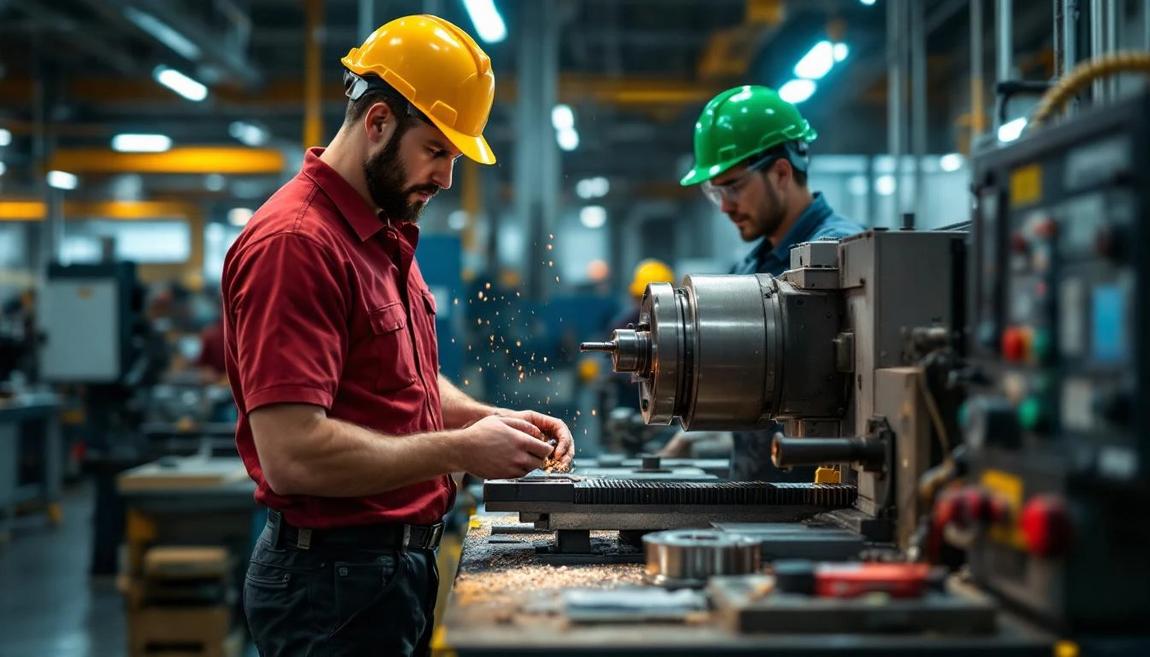
In the manufacturing sector, OEE (Overall Equipment Effectiveness) is a key indicator of equipment performance. Particularly in discrete manufacturing, where every part must be produced with precision and efficiency, optimizing OEE/ROSE becomes crucial. Plants faced with frequent interruptions and inefficient processes see their costs rise and their competitiveness fall, making OEE monitoring essential to guarantee optimum performance.
The main causes of OEE underperformance in discrete manufacturing include unplanned downtime, ineffective planning and a lack of visibility on current operations. These problems lead to wasted time and resources, impacting productivity and the overall quality of finished products. Inadequate monitoring of production stoppages and quality defects can also adversely affect key indicators such as OEE, increasing operational costs.
To remedy this situation, several solutions can be implemented. Firstly, the integration of digitalization solutions, such as real-time tracking tools like TeepTrak, enable the performance of each piece of equipment to be monitored. Thanks to precise downtime analysis and improved multi-line visibility, companies can optimize their production flow. Adopting continuous improvement methodologies such as Lean Manufacturing, and monitoring key indicators such as OEE and product quality, are also essential to boost overall efficiency.
A concrete example of success in OEE improvement is that of a machine tool plant that integrated the TeepTrak solution to monitor its performance. With a clear picture of planned and unplanned downtime, the plant was able to reduce its downtime by 15% in just six months. Simplified, real-time access to production data enabled managers to identify and eliminate bottlenecks, boosting productivity and product quality.
Optimizing OEE in discrete manufacturing requires targeted, structured action. Start by evaluating your current equipment and identifying gaps via real-time monitoring solutions such as those offered by TeepTrak. Prioritize downtime reduction and continuous improvement to maximize the efficiency of your workstations. Implementing a project dedicated to TRS/OEE analysis and monitoring represents a strategic investment that can generate significant productivity and quality gains in your plant.
FAQ
Question 1: How does OEE affect performance in discrete manufacturing?
OEE directly influences performance in discrete manufacturing by improving equipment availability, performance and quality, thereby reducing costs and increasing productivity.
Question 2: What are the steps involved in optimizing OEE in our plant?
Start by measuring your current performance with real-time tools, identify the causes of losses, and implement continuous improvement initiatives for optimization.
Question 3: What tools can help you track OEE in real time?
Solutions such as TeepTrak enable real-time monitoring, offering developments for analyzing and improving production performance.



0 Comments