
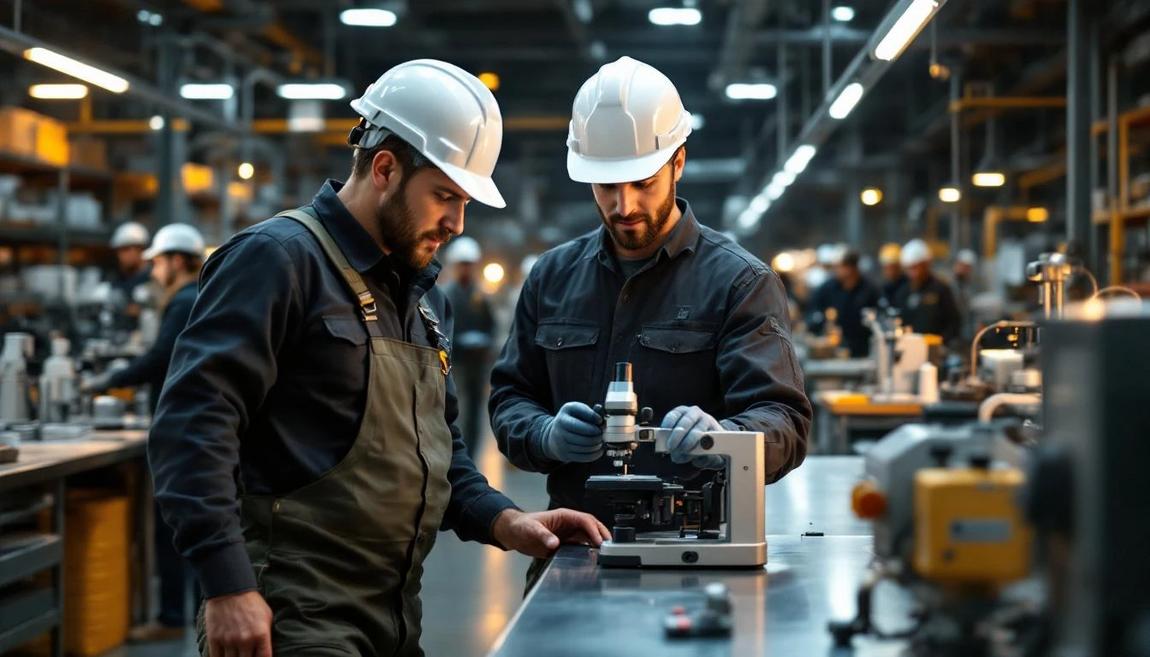
In the current context of industrial competitiveness, understanding the true “meaning” of OEE (Overall Equipment Effectiveness) is crucial for companies wishing to maximize the performance of their equipment. The stakes are high: improving machine efficiency to boost productivity, reduce downtime and guarantee quality. Ignoring the potential of OEE means running the risk of missing out on major opportunities for continuous improvement and resource optimization, with a direct impact on plant performance and profitability.
Poor OEE performance can have a variety of causes, such as poorly optimized processes, ageing equipment or misinterpreted data. These problems have significant repercussions: higher costs, inefficient production lines and lower quality end products. As a result, performance indicators such as OEE can be adversely affected, compromising the company’s agility and competitiveness in the marketplace.
To overcome these shortcomings, the adoption of integrated solutions, such as those offered by TeepTrak, makes it possible to digitalize production and improve real-time performance monitoring. By combining continuous improvement methods with advanced measurement tools, it is possible to establish a precise diagnosis and take effective corrective action. For example, the use of tracking systems such as TeepTrak facilitates analysis of stoppages and offers complete visibility over several production lines, guaranteeing constant optimization of OEE.
Consider a mechanical parts factory facing chronic productivity problems. By integrating the
In conclusion, to take full advantage of OEE and strengthen their competitiveness, manufacturers need to initiate continuous improvement projects incorporating appropriate monitoring solutions such as TeepTrak. Defining clear priorities, regularly measuring performance and adjusting actions will deliver substantial gains in productivity, quality and costs. These efforts, by maximizing the overall efficiency of equipment, will prove beneficial to the company’s long-term viability and profitability.
FAQ
Question 1: How does OEE monitoring help improve productivity?
OEE monitoring enables us to detect operational weaknesses, analyze downtime and optimize processes, leading to significant productivity gains.
Question 2: Where do I start to improve OEE in my plant?
Start by auditing your production lines to identify bottlenecks, and define key performance indicators. Then implement real-time monitoring tools like those offered by TeepTrak.
Question 3: What impact does OEE have on production quality?
A good OEE ensures that equipment operates optimally, reducing production faults and improving the overall quality of manufactured products.


0 Comments