
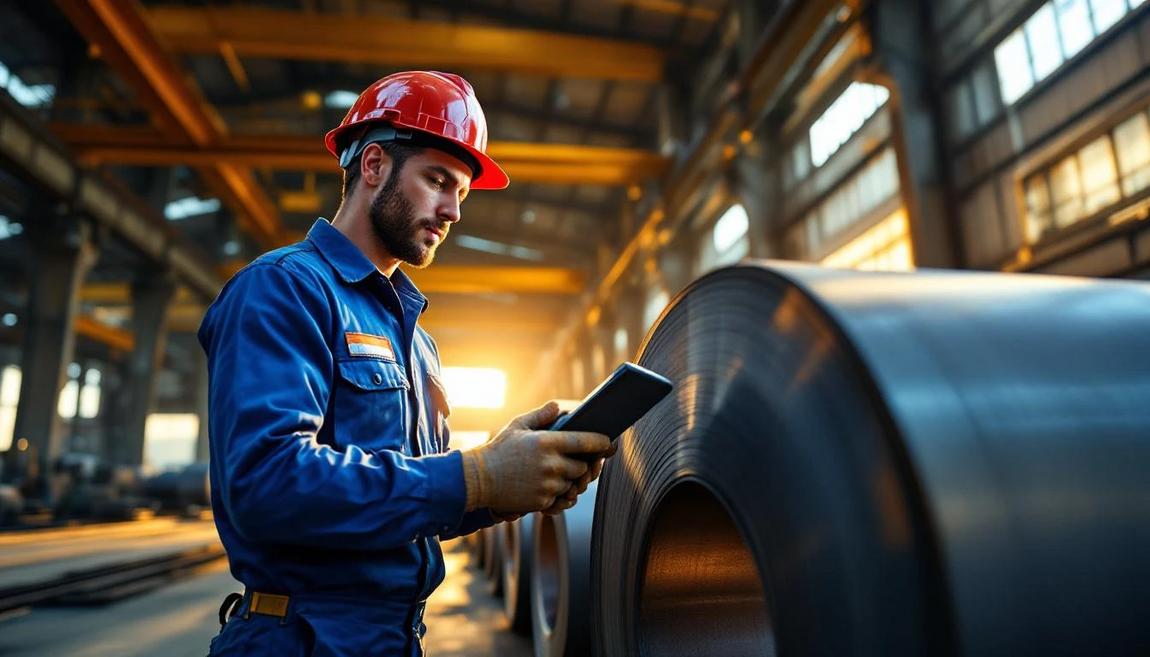
In today’s industrial context, where every minute of downtime can lead to major losses, optimizing OEE (Overall Equipment Effectiveness) is crucial. The main challenge for factories is to identify and reduce inefficiencies on production lines, which is at the heart of the ‘oee dali aauna’ concept. Poor control of this indicator not only leads to a loss of productivity, but also to an increase in operating costs, thus undermining the company’s competitiveness.
There are many reasons for poor OEE performance: unplanned downtime, machine slowness and production faults. These factors have a direct impact on OEE and the quality of finished products. For example, a bottleneck on one line can slow down the whole chain, and these inefficiencies translate into high labor and equipment costs, which are often avoidable.
Solutions to improve OEE involve implementing continuous improvement processes and integrating digital solutions. Real-time analysis of production data using tools such as those provided by
A case study in an electronic components manufacturing plant demonstrated the effectiveness of the ‘oee dali aauna’ approach. By implementing
In conclusion, to keep your plant competitive, it’s imperative to focus on OEE optimization. This starts with a thorough understanding of the causes of inefficiencies, followed by optimal exploitation of production data. A structured industrial performance project, as recommended by TeepTrak, will enable you to convert data into concrete actions, guaranteeing measurable gains in productivity and quality. Act now to initiate this transformation and strengthen your market position.
FAQ
Question 1: How does OEE impact industrial performance?
OEE is a key indicator that measures the efficiency of your equipment. Optimized OEE means less downtime, better production quality and more efficient use of resources, leading to an overall improvement in industrial performance.
Question 2: What are the first steps in improving OEE?
Start by accurately analyzing downtime and inefficiencies with real-time tracking tools like those from TeepTrak. Identify bottlenecks and apply continuous improvement methods to solve problems.
Question 3: What benefits can I expect from a real-time OEE tracking solution?
By using a real-time OEE monitoring solution, you can benefit from better visibility of your production lines, enabling rapid corrective action and improved performance management. This will lead to increased productivity and reduced production costs.
0 Comments