
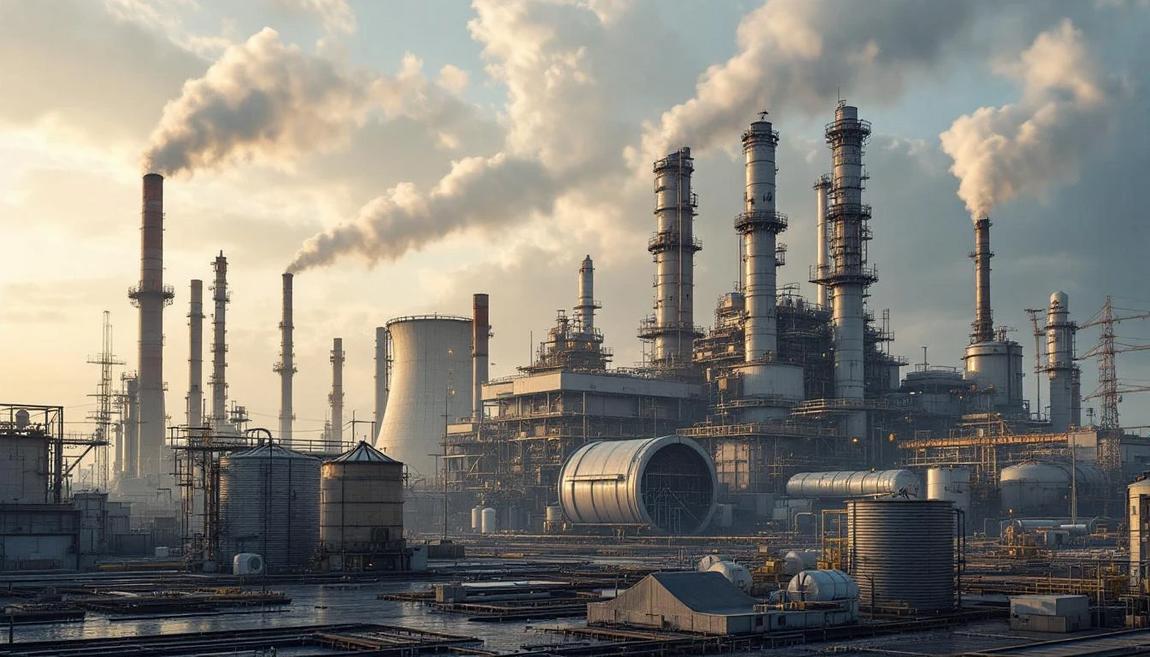
In the modern industrial landscape, the importance of overall equipment efficiency (OEE) and yield has become crucial. These indicators are essential for measuring the performance of production lines and identifying potential areas for improvement. OEE and yield allow us to evaluate machine productivity in terms of availability, performance and quality. For plant managers and industrial executives, understanding these concepts is fundamental to minimizing costs and improving competitiveness.
Problems associated with low OEE and insufficient output are often rooted in a variety of causes, such as unplanned downtime, bottlenecks or quality defects. These factors directly hamper production capacity, increasing operating costs while reducing efficiency. Low OEE often reflects poor resource utilization, resulting in losses and limiting the achievement of productivity targets.
To remedy these problems, several levers can be put in place. The adoption of continuous improvement methods such as Lean and TPM (Total Productive Maintenance) is essential. In addition,
Consider the example of an automotive parts manufacturing plant that recently integrated a real-time monitoring system from TeepTrak. Initially, its OEE was below expectations, mainly due to unplanned downtime and process variability. After implementing real-time indicators and analyzing the data collected, the plant was able to reduce its downtime by 20% and improve its OEE by 15%, perfectly illustrating the transition from a problematic situation to improved performance.
In conclusion, to truly improve yield and OEE, it is imperative to structure a solid project around the measurement and optimization of industrial performance. By integrating real-time monitoring and adopting continuous improvement strategies, a plant can not only reduce its costs but also maximize its overall efficiency. Start by assessing your own performance with TeepTrak, and take a proactive approach to turning your challenges into opportunities for continuous improvement.
FAQ
Question 1: How does OEE affect production performance?
OEE measures production efficiency, taking into account availability, performance and quality. A high OEE means optimum use of resources, reducing costs and increasing productivity.
Question 2: What are the first steps in improving performance?
Start by analyzing production data to identify key bottlenecks. Then implement real-time tracking solutions and continuous improvement practices such as Lean.
Question 3: Why digitize industrial performance monitoring?
Digitization provides real-time visibility and invaluable analysis, enabling problems to be identified quickly, optimizing performance and reducing unplanned downtime.

0 Comments