
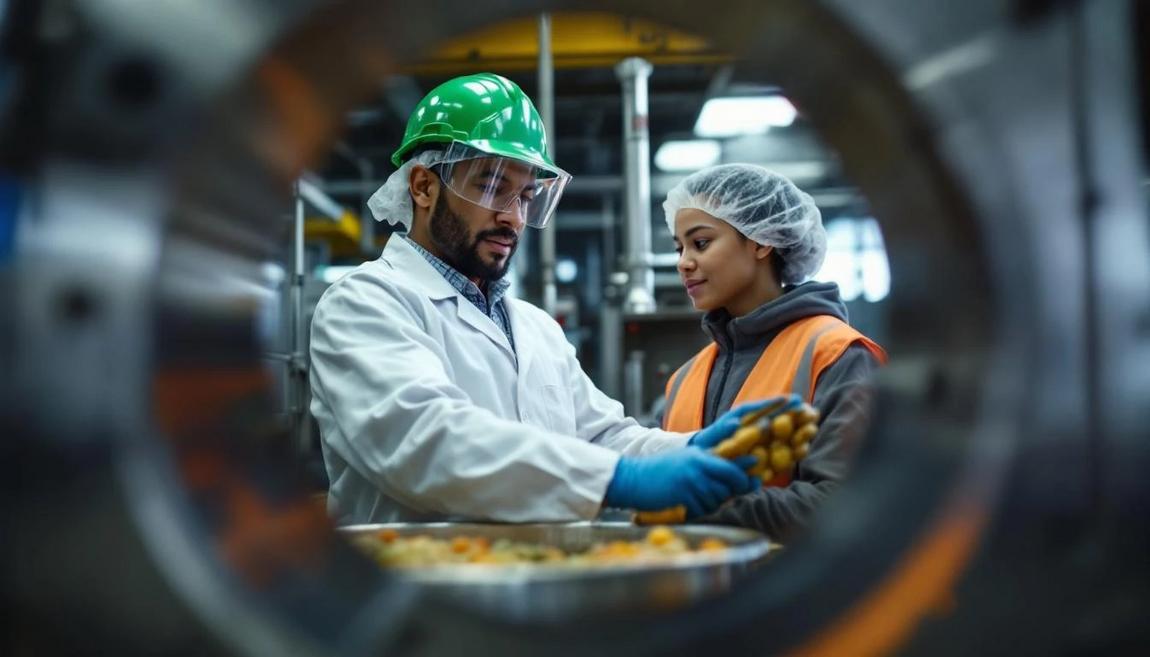
In an industrial context where global competitiveness is intensifying, understanding what OEE (Overall Equipment Effectiveness) means is essential for plant managers and performance teams. OEE is a key indicator that assesses the efficiency of production equipment by combining availability, performance and quality. However, many plants struggle to fully exploit this performance lever, suffering from discrete but significant losses that undermine their productivity and profitability.
The causes of OEE underperformance are varied: unscheduled stoppages, slowdowns and defective products are frequent examples. Every second lost during a stoppage or slowdown has a direct impact on the plant’s OEE, increasing production costs while reducing the ability to meet market requirements. In the absence of adequate measures, these problems can lead to a spiral of financial losses and missed opportunities.
To reverse this trend, it is crucial to implement concrete solutions. Integrating shop-floor digitalization tools enables you to monitor equipment availability in real time, as TeepTrak solutions do to digitalize your production. Adopting a continuous improvement approach based on data analysis can optimize OEE by reducing downtime and improving process reliability. Real-time performance dashboards provide managers with continuous visibility, enabling rapid, informed decision-making.
Consider the case of an automotive parts manufacturing plant which, thanks to the integration of the PerfTrak OPC UA solution, was able to identify bottlenecks. In just a few months, the plant not only saw its OEE increase by 15%, but also reduced preventive maintenance costs by accurately analyzing recurring stoppages. Customized reports helped anticipate breakdowns and adjust maintenance schedules, demonstrating the tangible impact of real-time tracking technologies.
In conclusion, the issues surrounding OEE cannot be ignored. It is imperative for every plant manager to understand and measure this indicator to align operations with performance objectives. Starting a structured OEE project, supported by tools like TeepTrak’s, paves the way for continuous improvement and increased competitiveness. Identify your weaknesses, measure the real impact of inefficiencies and opt for digital transformation to gain a decisive advantage.
FAQ
Question 1: How can OEE improve my plant’s performance?
OEE (Overall Equipment Effectiveness) identifies losses in a production system, enabling inefficiencies to be targeted and eliminated. This translates into higher productivity, lower operating costs and improved product quality.
Question 2: Where do I start implementing an OEE project?
To implement an OEE project, start by carrying out an audit of your current processes, identify your key KPIs, then integrate digitalization tools like those from TeepTrak for real-time visibility and monitoring.
Question 3: What impact does digitalization have on TRS monitoring?
Digitization provides real-time data, enhancing rapid decision-making. It instantly identifies areas for improvement, optimizes processes and aligns operations with the company’s strategic objectives.
0 Comments