

In the industrial sector, optimizing equipment performance is crucial to improving productivity and reducing costs. Understanding the term ‘OEE’ (Overall Equipment Effectiveness) is essential for production and plant managers seeking to maximize the efficiency of their lines. This concept measures the effective use of equipment, taking into account availability, performance and quality. However, many plants find it difficult to implement this measurement in their day-to-day processes, which can hamper their competitiveness.
The origins of problems linked to the calculation of SRT/OEE (Overall Equipment Effectiveness) are often multiple. They include a poor understanding of OEE fundamentals, inaccurate data, or a lack of visibility into the causes of downtime. These shortcomings contribute to inconsistent performance, negatively impacting overall equipment efficiency, increasing operating costs and causing bottlenecks that slow down the entire production process.
To remedy these problems, it is crucial to integrate solutions such as those offered by TeepTrak. For example, the digitization of the shop floor and the use of real-time monitoring tools enable better monitoring and analysis of OEE, reduced downtime, and improved production quality. Key indicators, such as availability and performance, then become levers for significant continuous improvement. Another fundamental pillar is the adoption of lean methods to structure operations and systematize improvements.
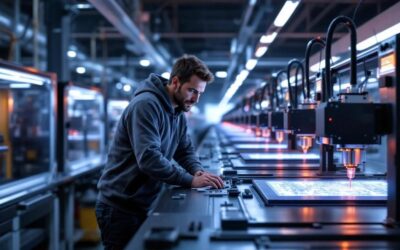
Consider the example of a plant manufacturing electronic components. Prior to adopting digital solutions, this plant frequently experienced line outages and quality defects. By integrating TeepTrak’s
For managers looking to improve their OEE, starting with an audit of current processes is crucial. Prioritizing areas with a high impact on downtime, and assessing the potential return on investment, is essential to guide an improvement initiative. Adopting a solution like
FAQ
Question 1: How does OEE improve plant performance?
OEE improves performance by providing a framework for identifying and eliminating inefficiencies in equipment use, increasing availability, performance and quality.
Question 2: What impact does a poor OEE have on productivity?
Poor OEE can lead to increased downtime, high costs and inferior quality, damaging the competitiveness and profitability of a production line.
Question 3: Where do I start implementing a TRS/OEE project?
Start with an audit of existing operations to identify major dysfunctions, followed by the integration of a real-time monitoring tool for increased visibility and targeted improvements.


0 Comments